
Mussolini and D’Annunzio
M: Son of the CenturyThis flow traces Mussolini’s admiration, strategic borrowing, rivalry, and eventual separation from D’Annunzio.
increasing Bearing strength in each event
 decreasing
Bearing strength in each eventdecreasingA Desired Meeting
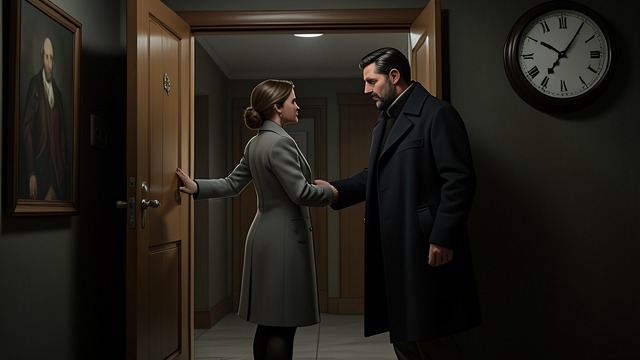
Approaching the Vate
Sarfatti Opens the Door
Margherita Sarfatti encourages Mussolini to meet D’Annunzio, whose public authority and theatrical politics fascinate veterans and nationalists. The two men meet privately in Rome.
Shared Ambitions
They discuss Italy’s government, popular mobilization, and opposition to socialism. Mussolini seeks the poet’s prestige without accepting a subordinate role in D’Annunzio’s political imagination.
The Call from Fiume
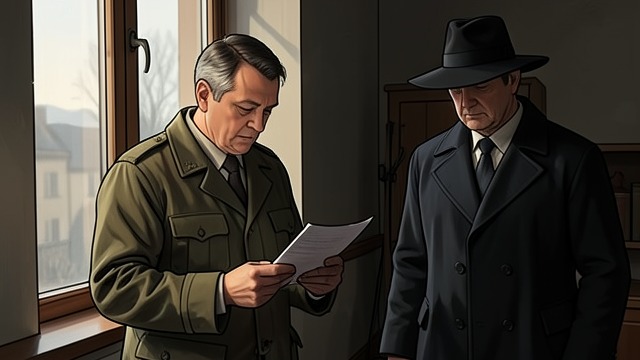
Orders from the Commander
The Seizure of Fiume
D’Annunzio sends Mussolini a letter announcing his march and expecting practical support. Mussolini praises the enterprise publicly but remains in Milan rather than joining the force.
Admiration Meets Calculation
The poet interprets Mussolini’s hesitation as cowardice and rebukes him. Mussolini weighs the risk to his own organization and refuses to become a supporting figure in another man’s drama.
A Journey to the City
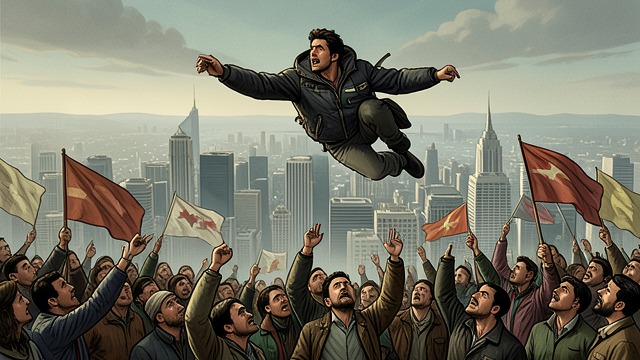
Visiting the Occupation
A Public Enthusiasm
Mussolini flies to Fiume and is welcomed by a city absorbed in its own legend. He meets D’Annunzio and discusses the possibility of a wider march toward Rome.
Delay as Tactic
Mussolini argues that the country is not ready and recommends waiting until after the elections. The advice frustrates D’Annunzio’s urgency while preserving Mussolini’s freedom of action.
Rapallo Divides Them
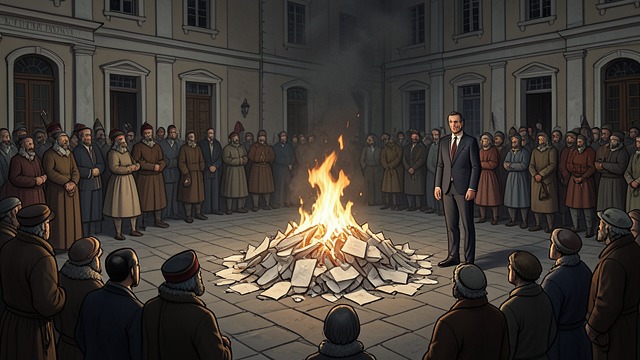
A Public Break
Mussolini Accepts the Treaty
Mussolini calls the Treaty of Rapallo broadly satisfactory, while D’Annunzio and his followers regard it as betrayal. Fiume’s fascists burn copies of Mussolini’s newspaper in protest.
A Partnership Weakens
Mussolini asks D’Annunzio to clarify his territorial aims but does not commit to rebellion. Their relationship becomes a pattern of affectionate language, strategic evasion, and accumulating distrust.
The Failed Alliance
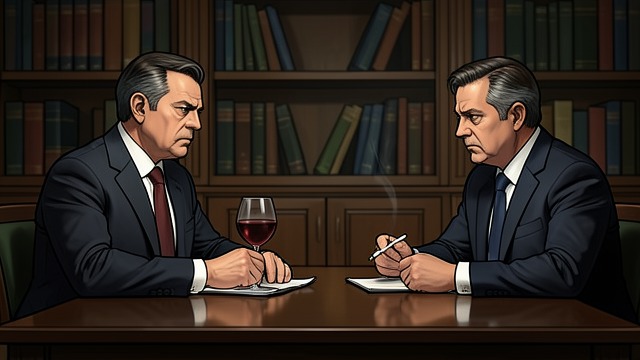
A Final Political Bargain
Invitations and Refusals
During the crisis before the March on Rome, Mussolini tries to enlist D’Annunzio in a political arrangement. The poet is ill, offended by Mussolini’s past actions, and unwilling to endorse a role that would subordinate him.
The Duce Takes the Prize
D’Annunzio withdraws as Mussolini negotiates with the king and claims the premiership. The former rival becomes a symbol of a political dream Mussolini has appropriated but no longer needs to follow.
June 1919
September 1919
October 7, 1919
November 1920
October–December 1922
